This still-thriving ecosystem consists of three types that play a vital role for ocean – and planetary – health
From the shore, kelp often looks like nothing more than brown seaweed bobbing and flowing in the swell. But slip beneath the surface and you’ll discover a three-dimensional forest alive with fish, crustaceans and countless other creatures. And just like forests on land, these underwater forests are made up of different species.
In the Great African Seaforest, two species of kelp dominate: Sea bamboo and Split-fan kelp. Each seaforest around the world – from California and Chile to New Zealand and South Korea – has its own mix. What unites them all? All seaforests are essential nurseries and breeding grounds for a wide variety of marine species and help to protect coastlines from buffeting waves.
Why it matters
The Great African Seaforest, which fringes the shores of Cape Town and stretches north for more than 1000km into Namibia, is more than seaweed – it’s a biodiversity engine that serves as a nursery, shelter and breeding ground for countless marine species and supports an incredible range of life, from tiny amphipods and crustaceans to octopuses and small sharks.
Like terrestrial forests, seaforests are vital to the planet. Covering more than 30% of the world’s coastlines, they produce oxygen, absorb carbon dioxide, are habitats for a diverse range of communities and buffer our shorelines from waves. Losing them would be as devastating as watching rainforests destroyed on land. Recognising their intrinsic value – and protecting them as a key part of Earth’s immune system – has never been more important.
Our 1001 Seaforest Species project, in partnership with the Save Our Seas Foundation, aims to document the myriad species that live in the Great African Seaforest, shining a light on their biology and lives to highlight why preserving this unique habitat is so vital.
Kelp Anatomy 101
To understand kelp, it helps to know its parts:
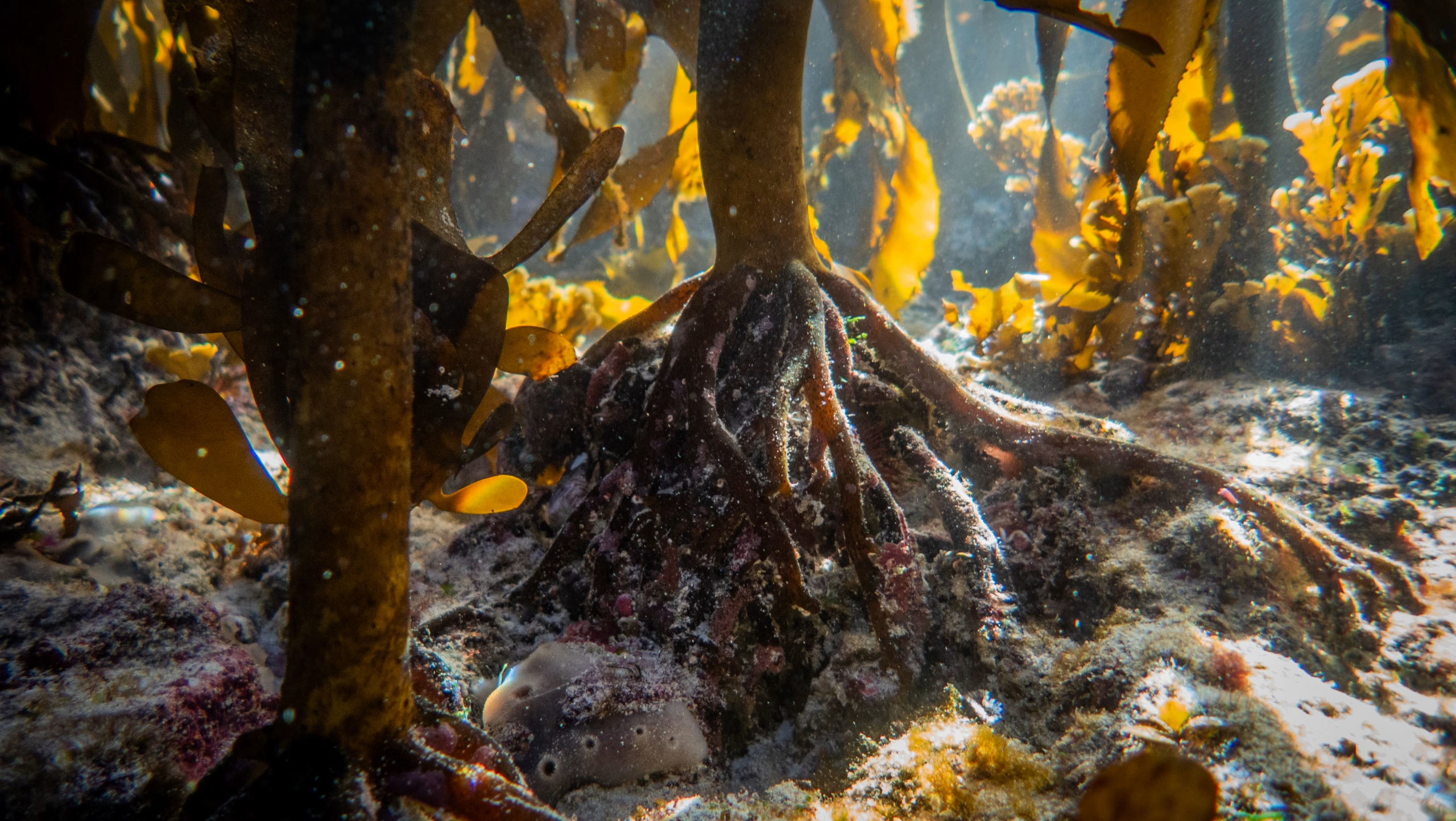
- Holdfast: Anchors kelp to rocks on the seafloor and looks like roots but doesn’t absorb nutrients.
- Haptera: Finger-like extensions that grip rocks and form the holdfast.
- Stipe: A trunk-like, often hollow stem that supports the kelp.
- Bulb: A gas-filled float that lifts fronds towards the surface.
- Frond: The leaf-like portion visible from above, made up of blades.
- Blade: Individual flat structures specialised for photosynthesis
- Bladder: Small, bead-like air sacs that add buoyancy.
The Big Three of the Great African Seaforest
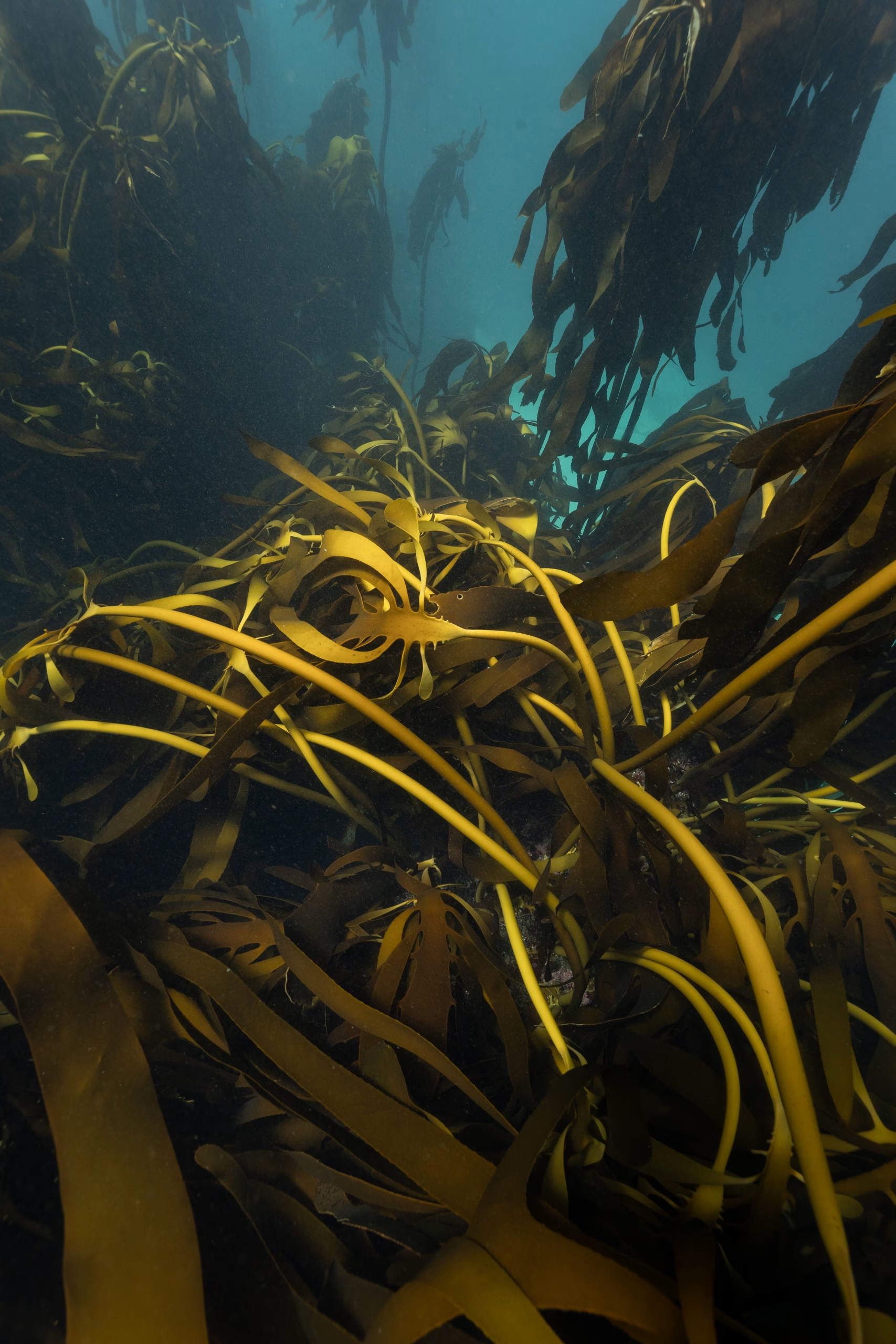 Sea bamboo (Ecklonia maxima)
The giant of the region, sea bamboo can grow as tall as the water is deep – anywhere from 50cm to 15 metres. Its hollow stipe ends in a buoyant bulb that lifts ribbon-like fronds to the surface, and it is an iconic feature of the south and west coasts. These towering kelp beds shelter fish, invertebrates and algae, while also buffering the coastline from waves. Even the kelp wrack (the term for the kelp that washes ashore) plays a role, feeding beach-hoppers, kelp flies and isopods.
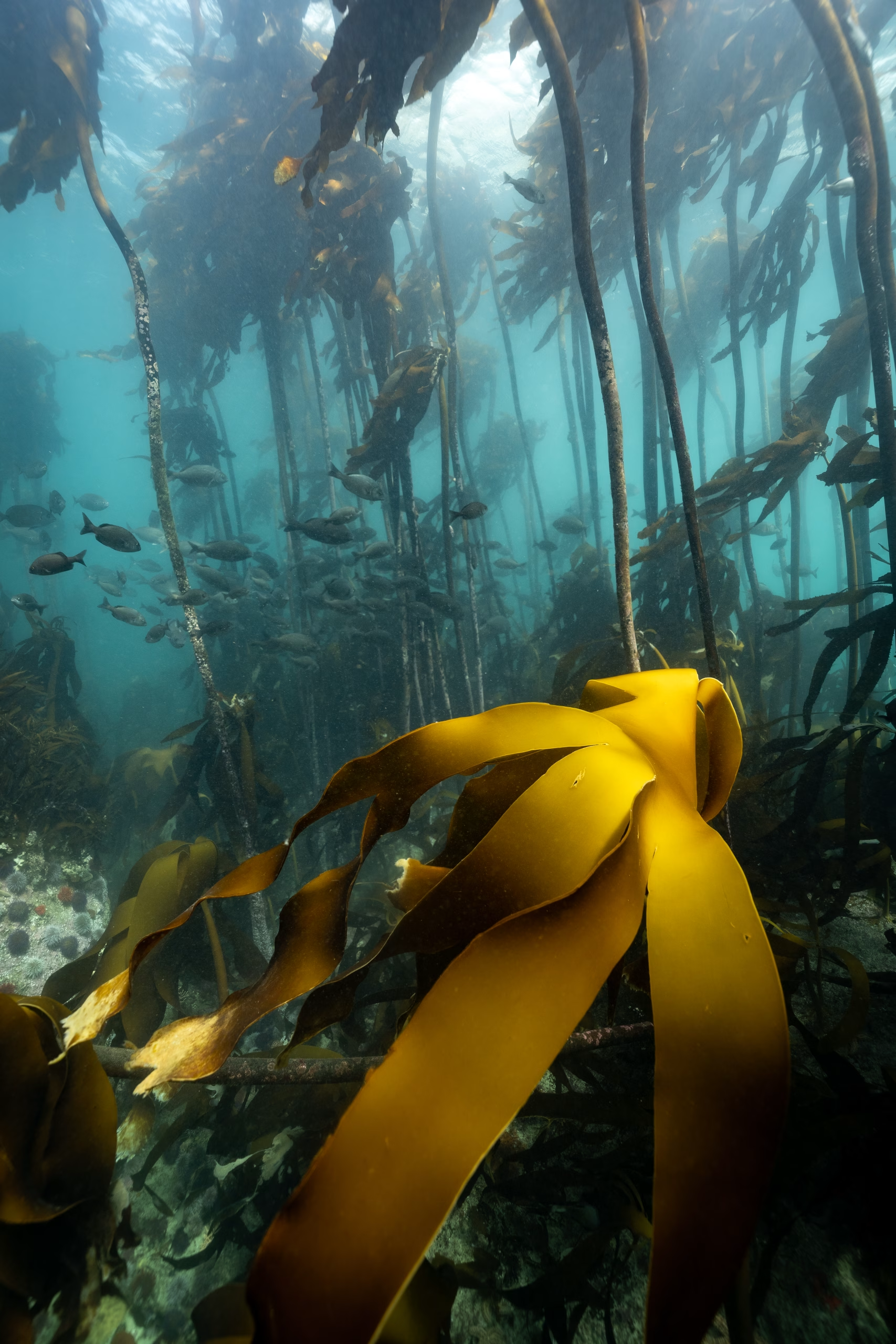
Split-fan kelp (Laminaria pallida)
This species is named for its broad blade that splits into long straps. It grows in shallow and deep water and is considered an understorey of Sea bamboo. Its sweeping blades help clear grazers such as sea urchins off the reefs during storms, giving young kelp a chance to thrive. Split-fan kelp also stretches its range to Tristan da Cunha, Gough Island and St Paul Island.
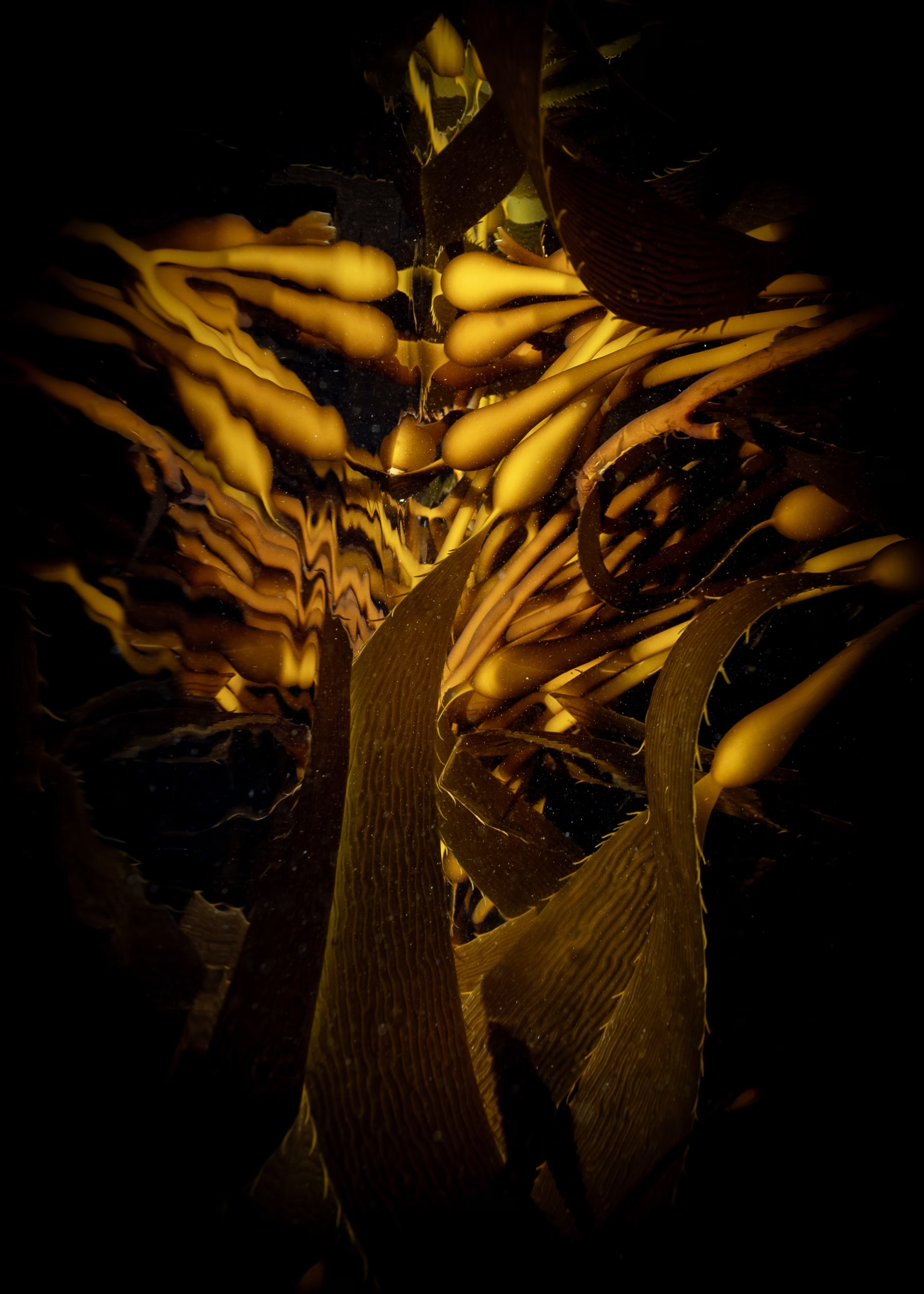 Bladder kelp (Macrocystis pyrifera)
The rarest kelp in South Africa, bladder kelp is found at only about 10 sites along the southern west coast. But globally, it forms vast forests along the Pacific coasts of North and South America, as well as in Australia and New Zealand. It grows incredibly fast, up to 60cm a day, with rope-like stipes and blades tipped with buoyant bladders. These forests provide food, shelter and coastal protection.