Beyond Seaweed: Why Kelp Forests Are Vital to Life on Earth
HELEN WALNE
Darwin knew it. Scientists know it. Coastal communities know it. And we know it. Kelp forests are one of the most important biodiversity wonders on Earth, and these large brown algae deserve to be recognised as their own, unique group.
In The Voyage of the Beagle, Darwin wrote: ‘I can only compare these great aquatic forests of the Southern Hemisphere with the terrestrial ones in the intertropical regions. The number of living creatures of all Orders, whose existence intimately depends on the kelp, is wonderful. Yet, if in any other country a forest was destroyed, I do not believe so many species of animals would perish as would here, from the destruction of kelp.’
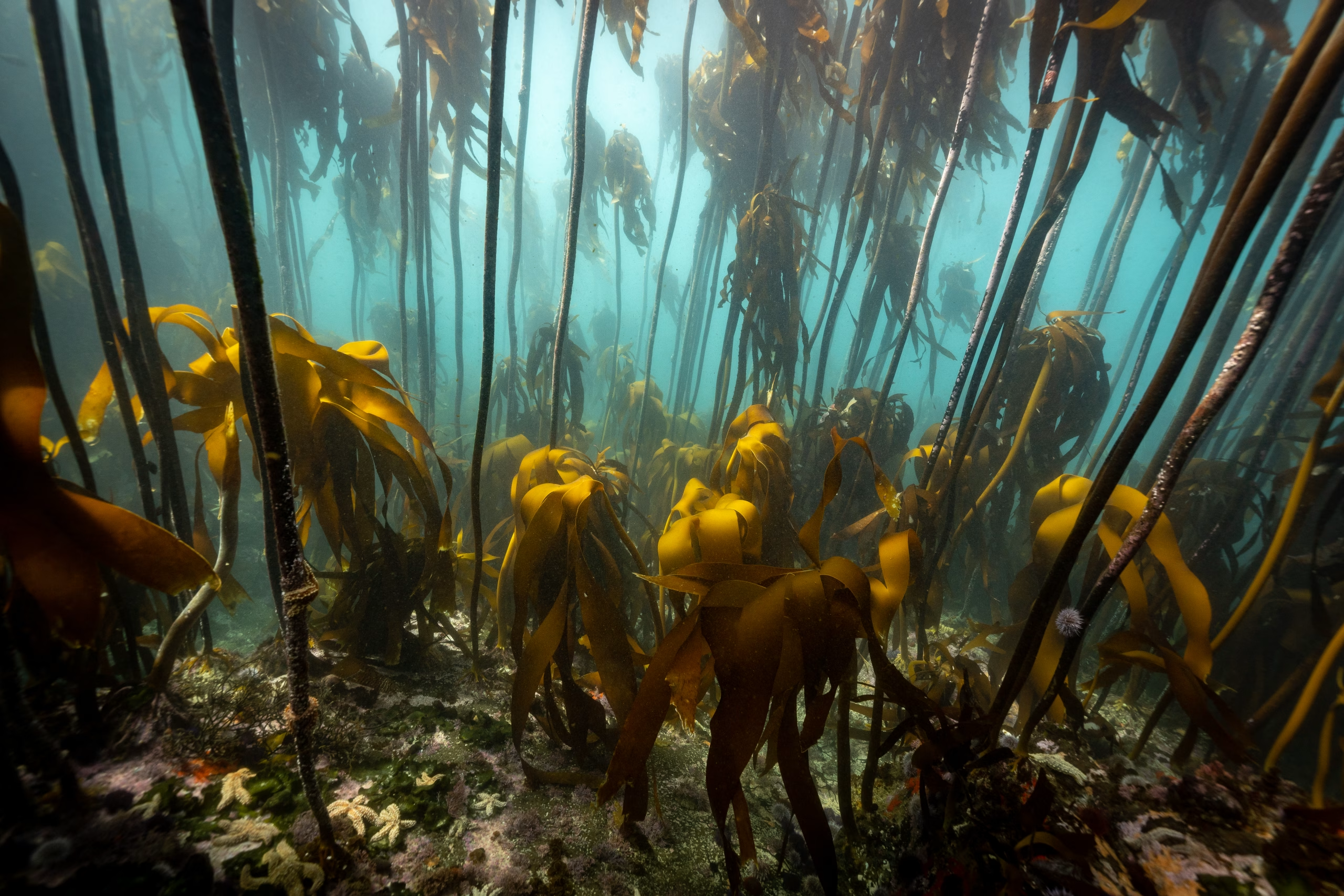
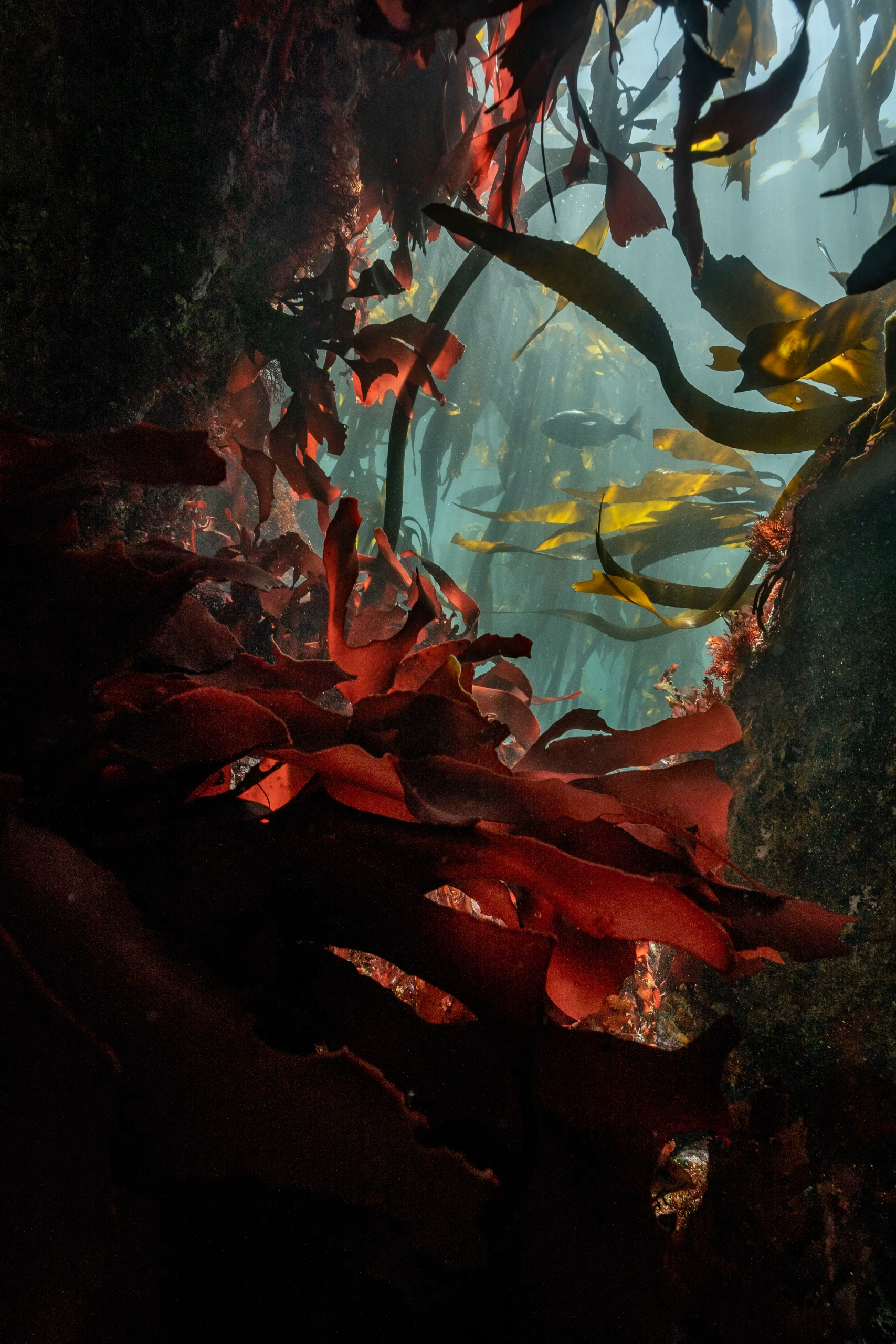
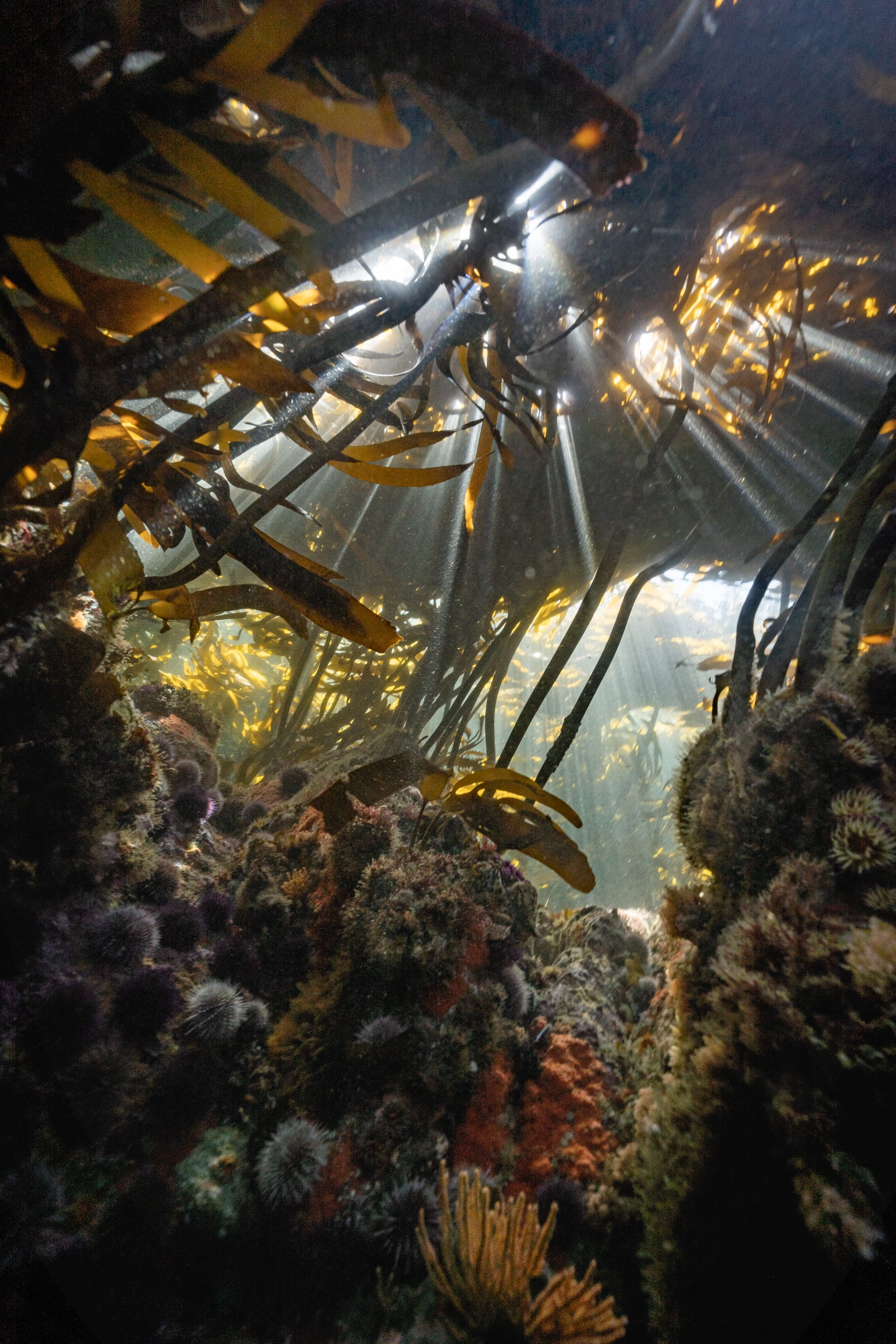
Peer beneath the surface of the ocean in Cape Town and you’ll see what Darwin was referring to. Schools of fish, including Blacktail, Cape seabreams and Strepies, cross paths with flutters of juveniles that will grow and develop in the safety of the seaforest’s golden fronds. An occasional Cape fur seal might do a whizz-by; in summer, tank-sized Short-tail stingrays rest on the sandy floor. Endemic Pyjama sharks, Puffadder shysharks, Leopard shysharks and Dark shysharks patrol the reef, hunting for food and wriggling into the kelp fronds when they feel threatened. Common octopus peep out of their dens, Patchwork cuttlefish hover in the water before shooting off into the inky depths, Orange starfish move slowly around rocky reefs, Cape crabs scuttle, limpets and whelks trundle, and tiny nudibranchs (sea slugs) in carnival colours munch on bryozoans and sponges. Multicoloured sea fans create citrus-hued mounds on the reefs, Nippled sea fans glow yellow in the sunlight and large pink Palmate sea fans flow in the current.
Everywhere you look, there is zinging life – an abundance and diversity unmatched on land.
Kelp vs Seaweed
All kelp is seaweed, but not all seaweed is kelp. Seaweed is an umbrella term for all of the incredible algae found in our ocean, and kelp is its own sub-group within this. Kelp are large brown algae that fringe about a third of the world’s coastlines. Some, such as Ecklonia maxima – commonly known as Giant bamboo kelp, and the most ubiquitous species found in the Great African Seaforest – grow up to 12 metres! It’s also the only floating bamboo kelp forest in the world.
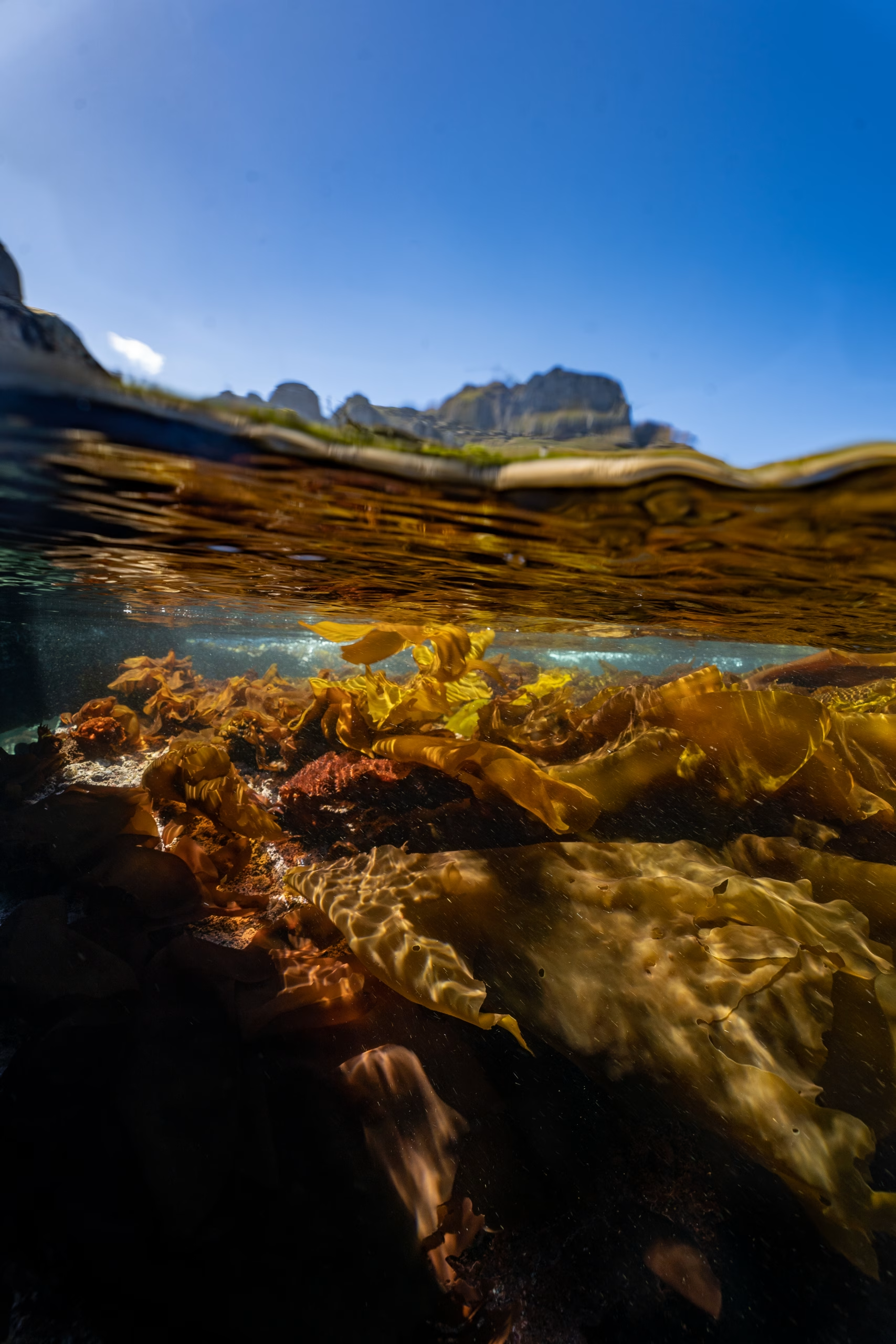
Kelp is also distinguished by its mainly brown or olive-green colouring – sometimes appearing gold in sunlight. This is due to the presence of carotenoid pigments, which help it capture optimal light for photosynthesis in deeper, dimly lit environments. Seaweed, on the other hand, often grows in shallower water, with colours varying from green and red to brown.
Growth rate is a key differential – some kelp species grow up to 60cm a day, which means healthy seaforests are continuously rejuvenating and ensuring coastal biodiversity. Habitat is also key: seaweed species live in diverse environments, from rocky shores to sandy bottoms. Kelp, however, predominantly thrives in seaforests, in areas with hard substrates, such as rocky coastlines, creating a three-dimensional foundation habitat that supports a diverse array of life.
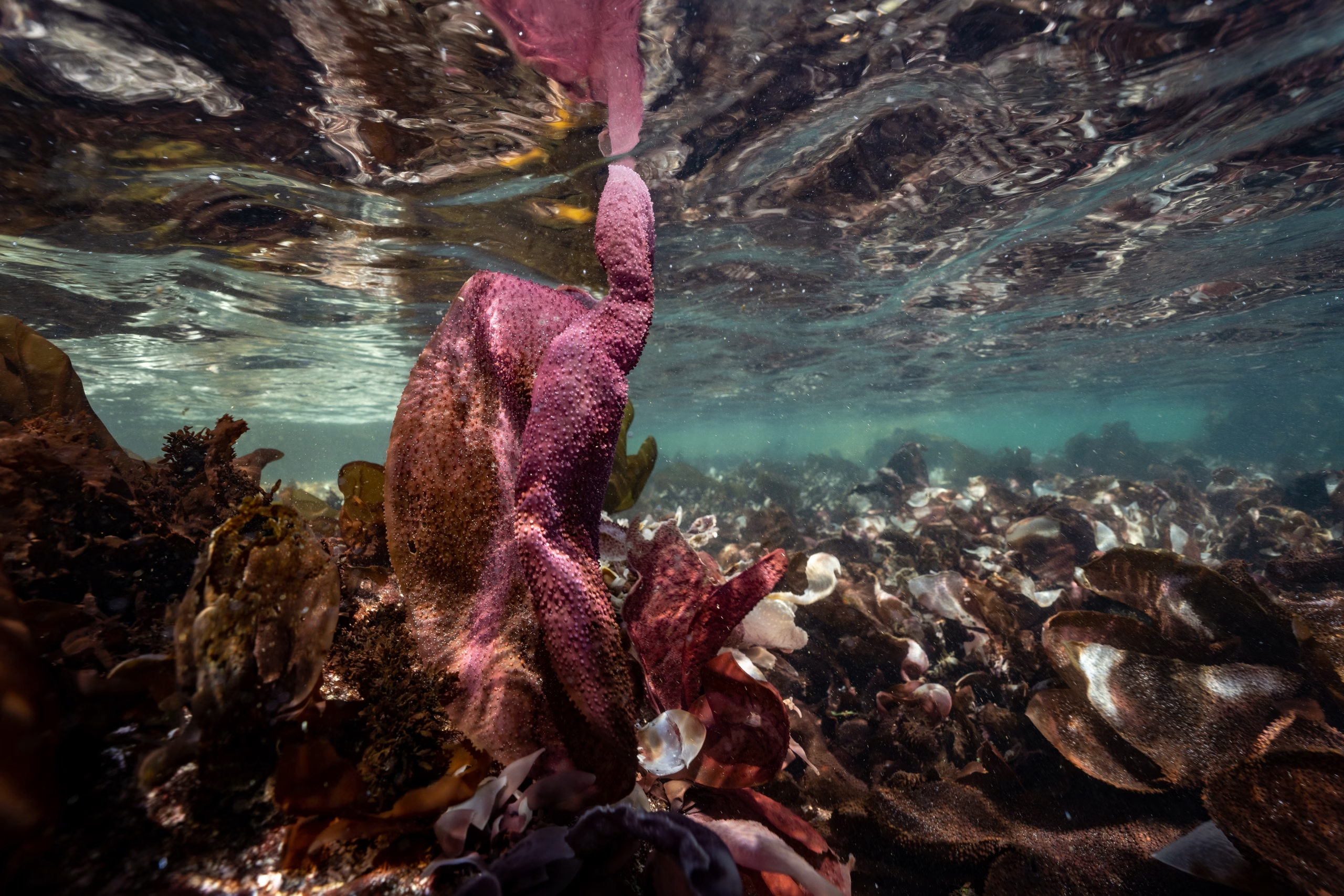
And, importantly in this time of climate crisis and biodiversity loss, like seaweed, kelp forests – often referred to as seaforests – sequester large amounts of carbon dioxide. In fact, Darwin was correct in comparing ‘great aquatic forests of the Southern Hemisphere with the terrestrial ones in the intertropical regions’. Kelp forests are as ecologically vital as terrestrial forests – yet less than 2% are meaningfully protected, there are few global policy frameworks that focus specifically on them, and they are poorly studied. And more than 60% have degraded or disappeared.
"I can only compare these great aquatic forests of the Southern Hemisphere with the terrestrial ones in the intertropical regions."
Charles Darwin
Without targeted protection, kelp forests could disappear from the ocean. These ecosystems are not simply underwater scenery; they are living and breathing biodiversity wonders, guardians of coastlines and allies in the fight against climate change. To lose them would be as devastating as watching all terrestrial forests disappear. The future of countless species – and of our own – depends on whether we choose to see kelp not as seaweed, but as one of Earth’s most vital forests, deserving of recognition, respect and preservation.