About
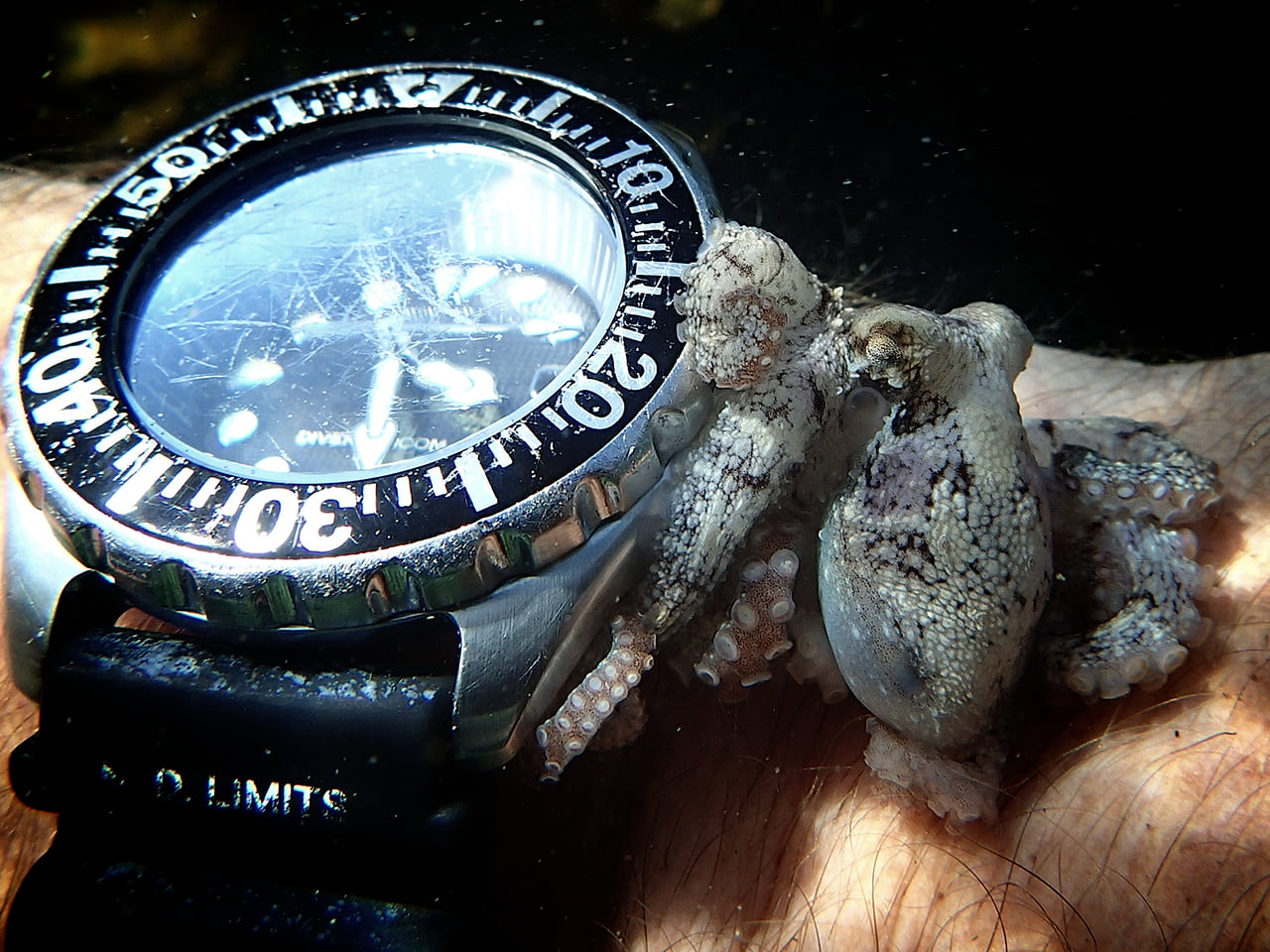
My Octopus Teacher follows the story of the year Craig Foster spent with a wild octopus.
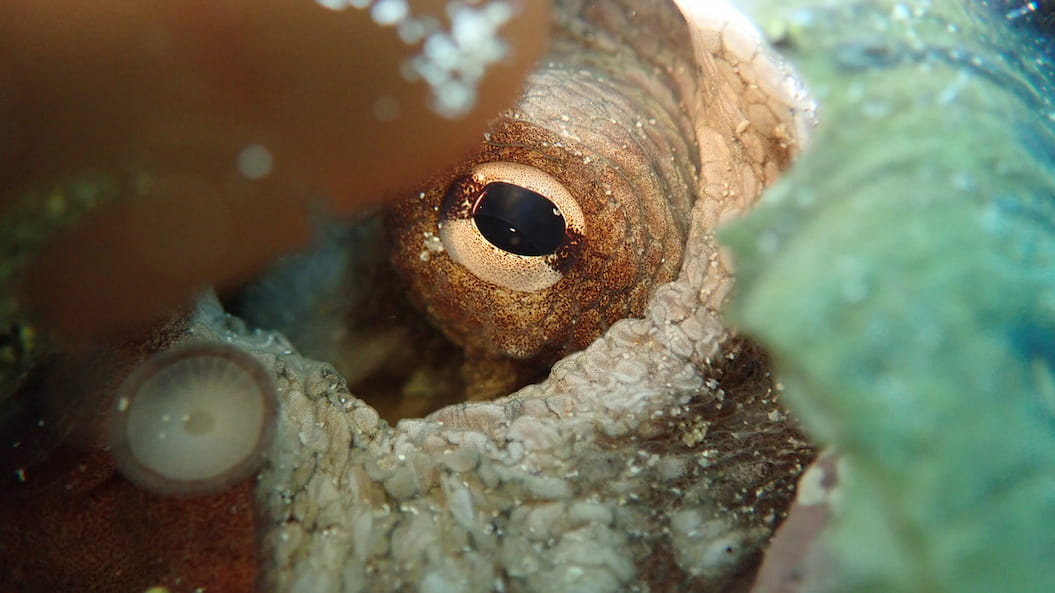
Craig Foster, suffering from a loss of purpose, begins a daily diving regimen in the freezing kelp forests at the tip of Africa in order to re-energize himself. What he discovers below the water’s surface is a totally alien motivation in the form of an unusually curious octopus. This beautiful record of an animal’s entire life—something seldom achieved in the wild, let alone underwater—was shot over a full year and explores the habits and personality of a strange, undulating creature that most of us have only ever eaten.
Beyond intelligent, dextrous and resilient, the cephalopod shares her secret world with Foster as they develop a touching bond. The underwater encounters are literally breathtaking as Foster holds his breath while interacting with the octopus. An immersive portrait of human–animal understanding, brimming with danger, drama and devastating emotion, My Octopus Teacher grabs you with all eight arms and changes its camouflage—showing you colours and textures you’ve never seen before.
– Angie Driscoll, Hot Docs Film Fest
Making the Film
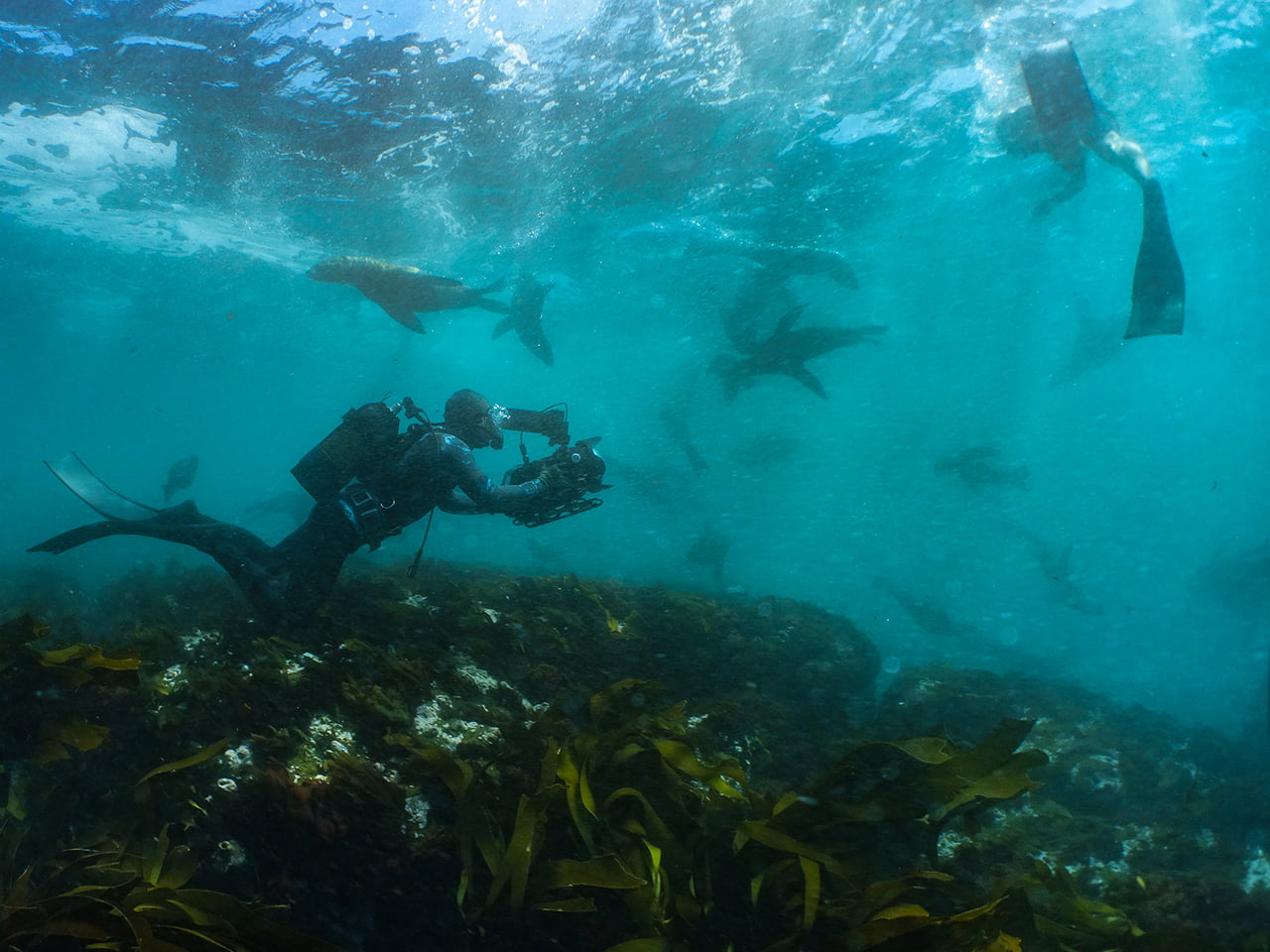
Filmed with cutting-edge cameras, My Octopus Teacher brings together some of the world’s top filmmakers, cinematographers, and scientists. The film marks the first underwater film to combine high-end blue-chip natural history sequences with the story of a human-animal relationship, documenting an individual creature throughout its lifetime in the wild.
From the Filmmakers
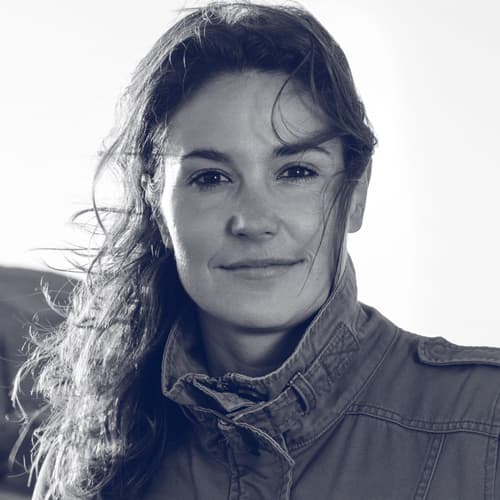
“I think what’s powerful about the film is the fact that there’s this big South African guy who is telling a deeply intimate story about an animal that is essentially a modified snail. He takes us into this fragile creature’s world and she transforms from an underwater alien into a protagonist that we can really relate to and care about.
At a minimum, I think that viewers will make an emotional connection with her, but I really hope that the bigger message that comes through will be an exploration of our own identity and fragility as part of the living planet. We chose — and it was an agonizing decision — not to have any overt conservation narratives in the film, but that message seems to be coming through subliminally. Judges have described the film as ‘political,’ ‘feminist,’ and showing ‘respect for motherhood.’ That really excited me.”
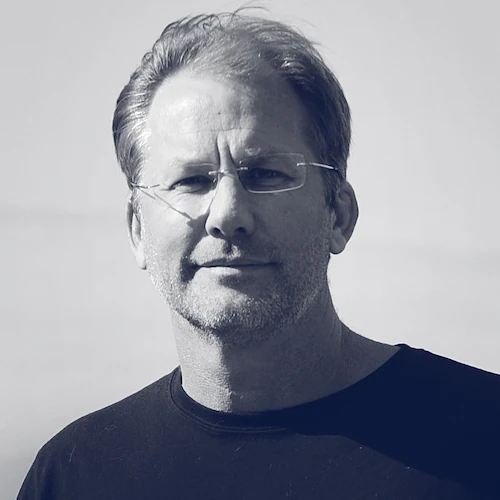
“I went to the central Kalahari, about 20 years ago. I was making a film called The Great Dance with my brother and then I met these men who were probably some of the best trackers in the world. To watch these men go into the incredible subtle science in nature, things that my eye couldn’t even see and then follow them, sometimes for hours, and find hidden animals in the landscape was just extraordinary to witness.
I mean, they were just inside of the natural world, and I could feel I was outside. And I had this deep longing to be inside that world.”
THE OCTOPUS TEACHER'S HOME
The Great African Seaforest
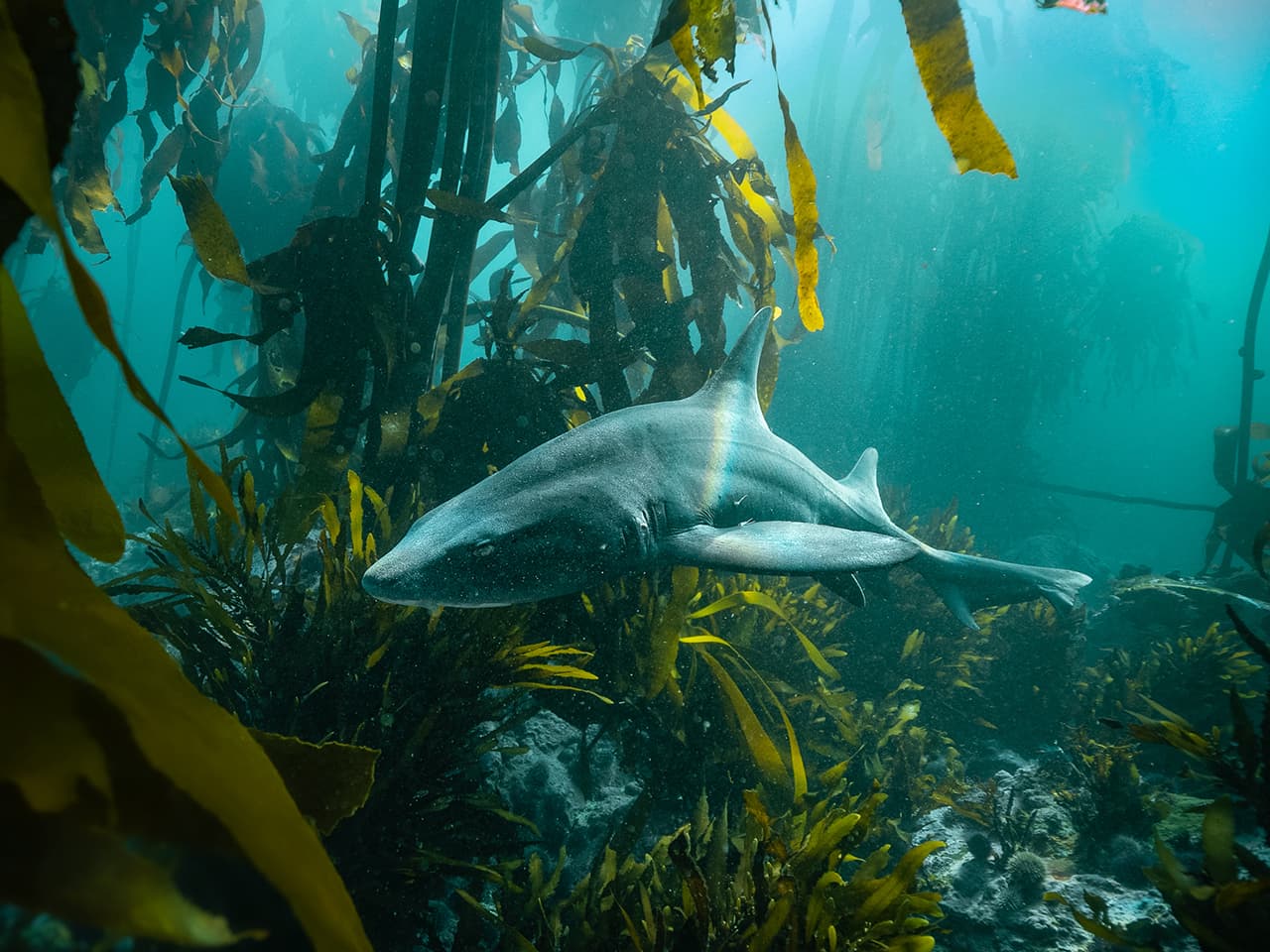
My Octopus Teacher was filmed in the Great African Seaforest, a giant underwater forest that fringes the shores of Cape Town and stretches north for more than 1000km into Namibia.
My Octopus Teacher’s home is a fragile, ever-changing wonderland that provides food and shelter for thousands of species. Some of these animals are found nowhere else on Earth, and others are not yet known to science.
The Great African Seaforest is a global treasure, and thanks to this film, we’ve succeeded in making it an iconic wilderness. The same is not true of most kelp forests worldwide — kelp forests are found along a third of our world’s coastlines, and over half have been lost in the last 50 years.
Our work now is to raise awareness of all kelp forests, ensuring their protection and the preservation of the biodiversity they hold within their depths.
THE OCTOPUS’ TEACHINGS
“What she taught me is to feel that you are part of this place. Not a visitor. And that’s a huge difference.”
We are part of a living planet. Nature is our life support system, and biodiversity is the immune system of the Earth. Seeing our intrinsic interrelatedness to everything around us is a critical first step to protecting the last wild spaces on earth. If we don’t come together and find ways of regenerating the natural world and protecting the wild places we have left, our species, along with millions of others, will become extinct.
If an octopus can give up its life for its children, what can we, as humans, do to ensure a liveable planet for all the generations that will come after us?
Change is the biggest solution. True change in the way we are living right now. Not cosmetic changes but life changes. Especially those of us who can afford the choices and make the change. Connect to nature, let the wild enter your heart. If we care about our common future and that of our descendants, we should all, in part, be naturalists.
“It’s hard to know why audiences have responded so strongly, but I think that they are resonating with parts of the story that are universal to almost every person on Earth: love and friendship and connection and hope. This is deeply encouraging for me as a filmmaker — it demonstrates that despite all the environmental challenges we face, human beings continue to resonate with the awe and wonder of nature.”
Pippa Ehrlich
Screenings and Resources
Host a Community Screening
Netflix offers subscribers the opportunity to host educational community screenings free of cost. To get the film, you can either stream directly from Netflix or download in advance via the Netflix app on a mobile device.
If you do not have a Netflix account, you can sign up for a free 30-day trial in some regions.
Film Credits
Directed By Pippa Ehrlich & James Reed
Produced By Craig Foster
Executive Producer Ellen Windemuth
Director Of Photography Roger Horrocks & Craig Foster
Topside Photography Warren Smart
Aerial Photography Tom Foster
Additional Photography Pippa Ehrlich & Dave Aenme
Editors Pippa Ehrlich & Dan Schwalm
Consultant Editor Jinx Godfrey
Sound Design Barry Donnelly
Original Music Kevin Smuts
Scientific Advisers Emeritus Professor Charles Griffiths, Dr Jannes Landschoff & Professor Jennifer Mather
SEA CHANGE PROJECT
Associate Producers Swati Thiyagarajan, Ross Frylinck & Carina Frankal
Production Manager Swati Thiyagarajan
Production Assistant Faine Loubser
General Counsel Michelle Bruce
Production Finance Marcel Derksen & Menno Fennema
Graphics & Titles Max Phillips
Technical Adviser Tom Osborn
OFF THE FENCE
Head Of Production Karen Meehan
Production Manager Stuart Hoole
Production Secretary Charlotte Kingdom
Co-executive Producers Allison Bean & Andrew Zikking
Associate Producers Sam Barton-Humphreys & Ludo Dufour
REFINERY POST PRODUCTION
Colorist Kyle Stoebel
Digital Imaging Producer Jade Kohler
Post Supervisor Lauren Van Rensburg
Mastering Technician Armien Baradien
Conform Editor Danielle Nel