Origins of Early Early Southern Sapiens Behaviour Exhibition
“Much of my work with the Great African Seaforest over the last decade has been inspired by the lives of the ancient people who lived here, in a pristine environment for thousands of generations. They knew that their survival depended on the natural world and that wisdom is something that we desperately need to reawaken in all contemporary humans.”
Craig Foster
Every human on Earth can trace their ancestry back to the original people who lived in southern Africa, many of whom inhabited this coastline more than 100, 000 years ago. The Origins of Early Southern Sapiens Behaviour exhibition showcases the culmination of some 30 years of paleoarchaeological research undertaken by researchers at the SapienCE institution. Their remarkable discoveries highlight the rich archaeological records of three unique South African sites — Blombos Cave, Klasies River Mouth, and Klipdrift Shelter — that were occupied by early Homo sapiens between 120, 000 and 50, 000 years ago, a key period in the evolution of modern human behaviour.
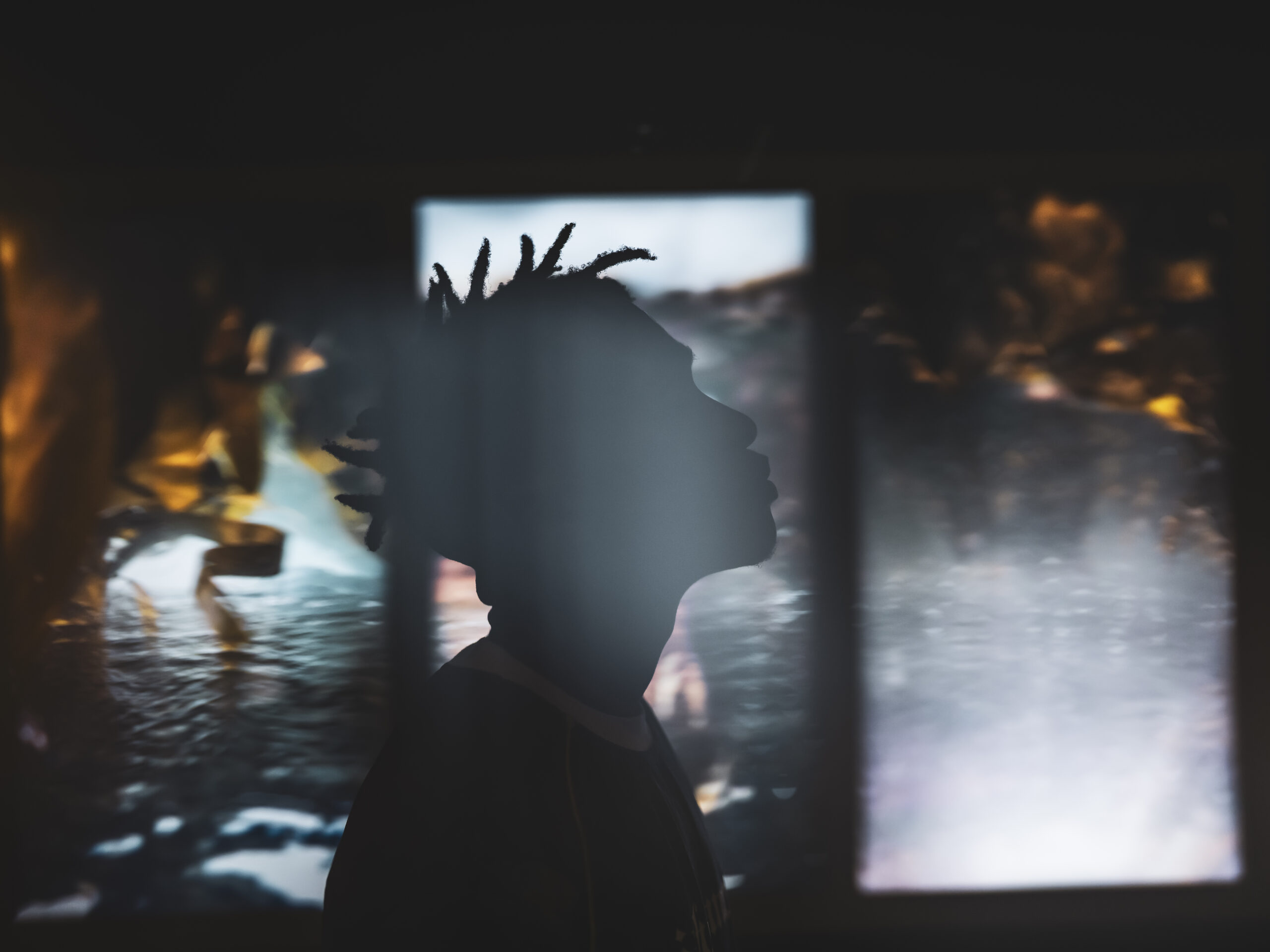
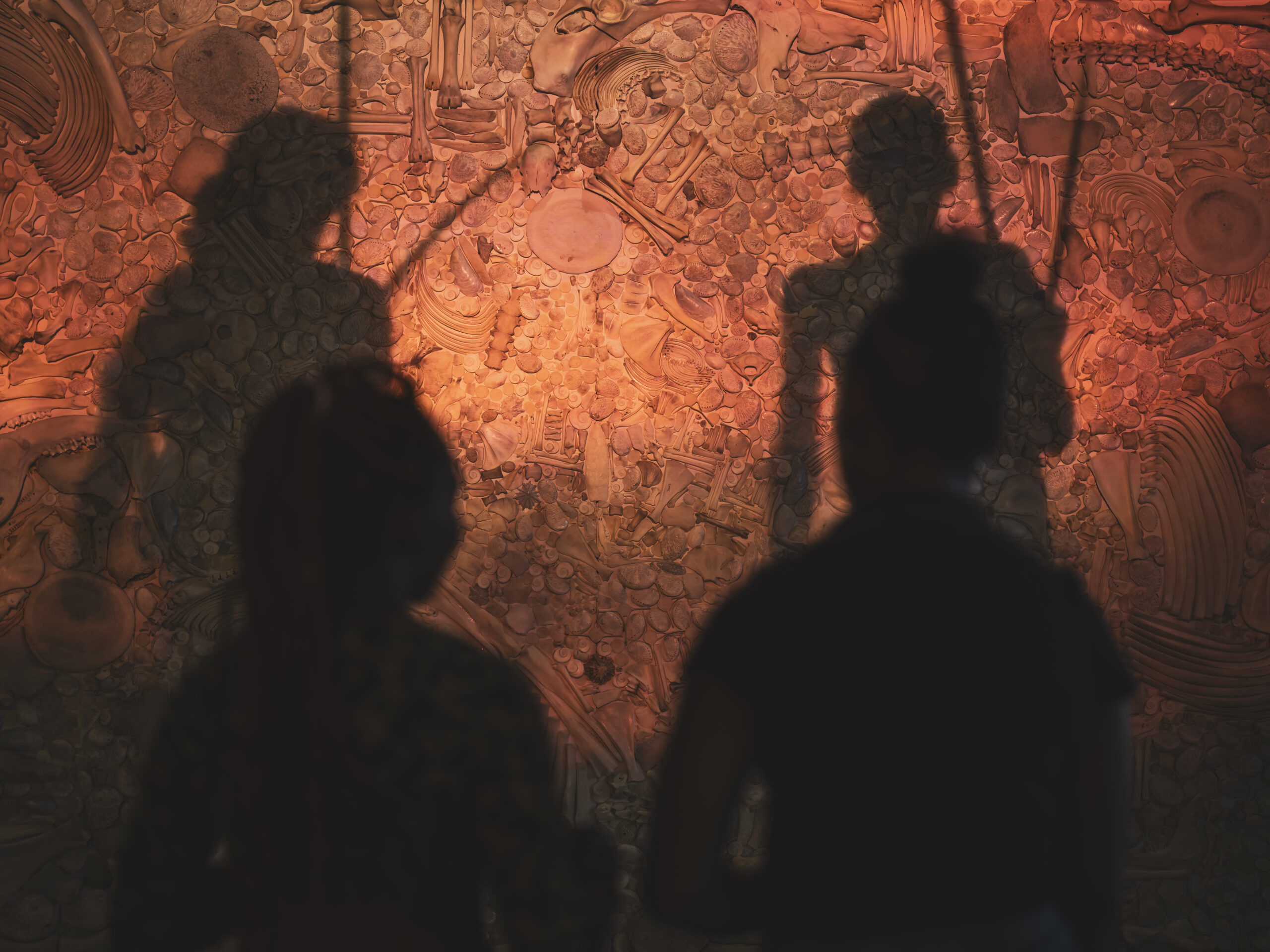
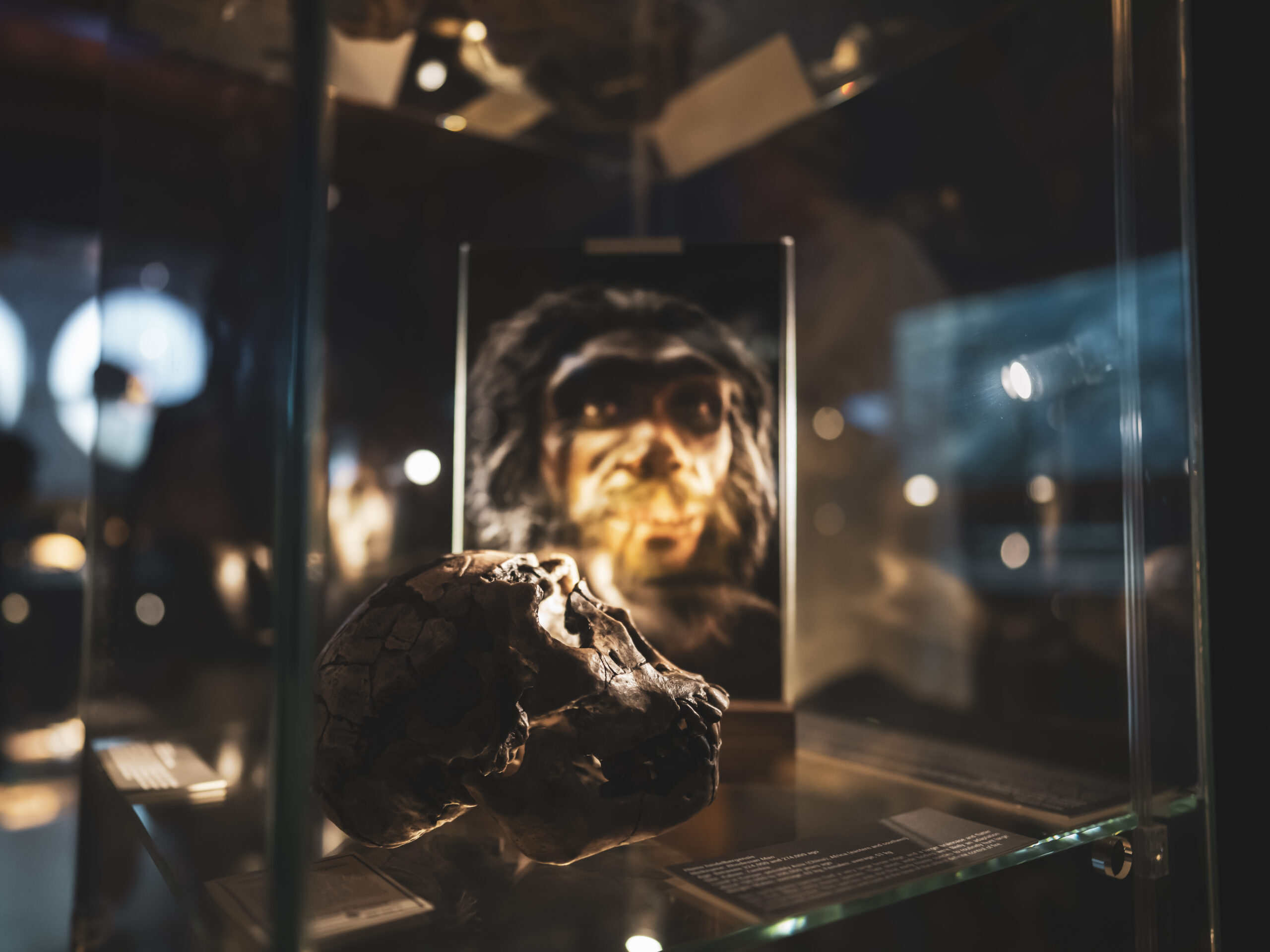
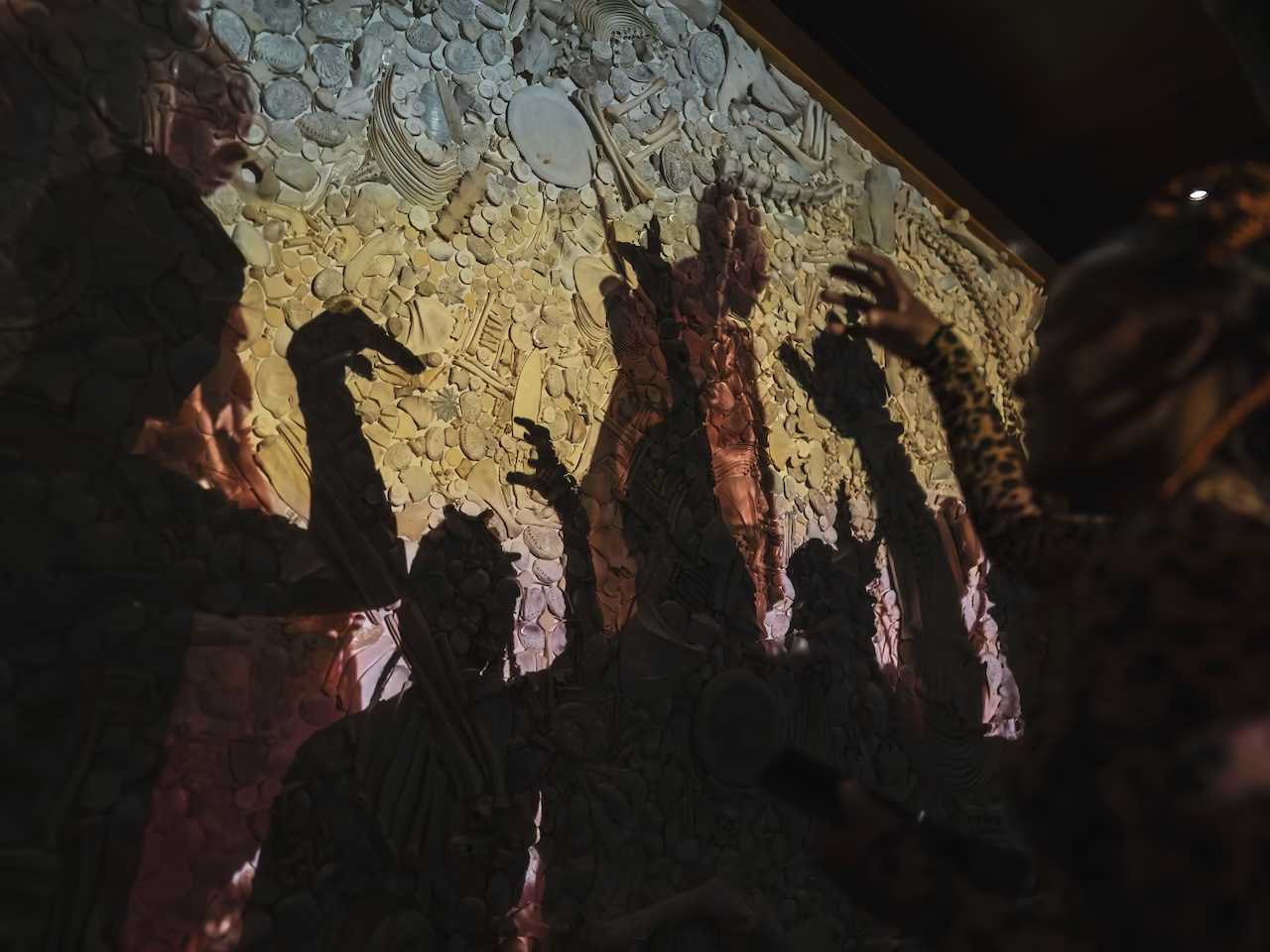
The exhibition recreates the lives our early ancestors would have experienced, living in partnership with nature and the Great African Seaforest 100, 000 years ago. The daily life of early Homo sapiens has been visually recreated, and on display are near-perfect replicas of the oldest collection of engravings on Earth, among the earliest known beads, the first known drawing, and the first evidence for bows and arrows. These artefacts represent the earliest evidence of symbolic material culture, which changed the course of our entire species. In essence, these are the world’s first proto-books and proto-computers.
The Origins of Early Southern Sapiens Behaviour exhibition is now open at three locations: Cape Town’s Cape of Good Hope National Park (Cape Point), De Hoop Nature Reserve, and the Blombos Museum of Archaeology in Stilbaai.
The research behind the exhibition has received international recognition. Distinguished Professor Christopher Henshilwood, together with Professor Sarah Wurz and Dr Karen van Niekerk and their respective research teams, won the 2022 Vice-Chancellor’s Innovation and Impact Award at Wits University — one of the institution’s most prestigious research accolades. Professor Henshilwood also received the 2020 Brainpower Award from the Norwegian Association of Researchers, recognising outstanding research communication, for the exhibition’s “Mother Africa – Welcome Home” contribution.
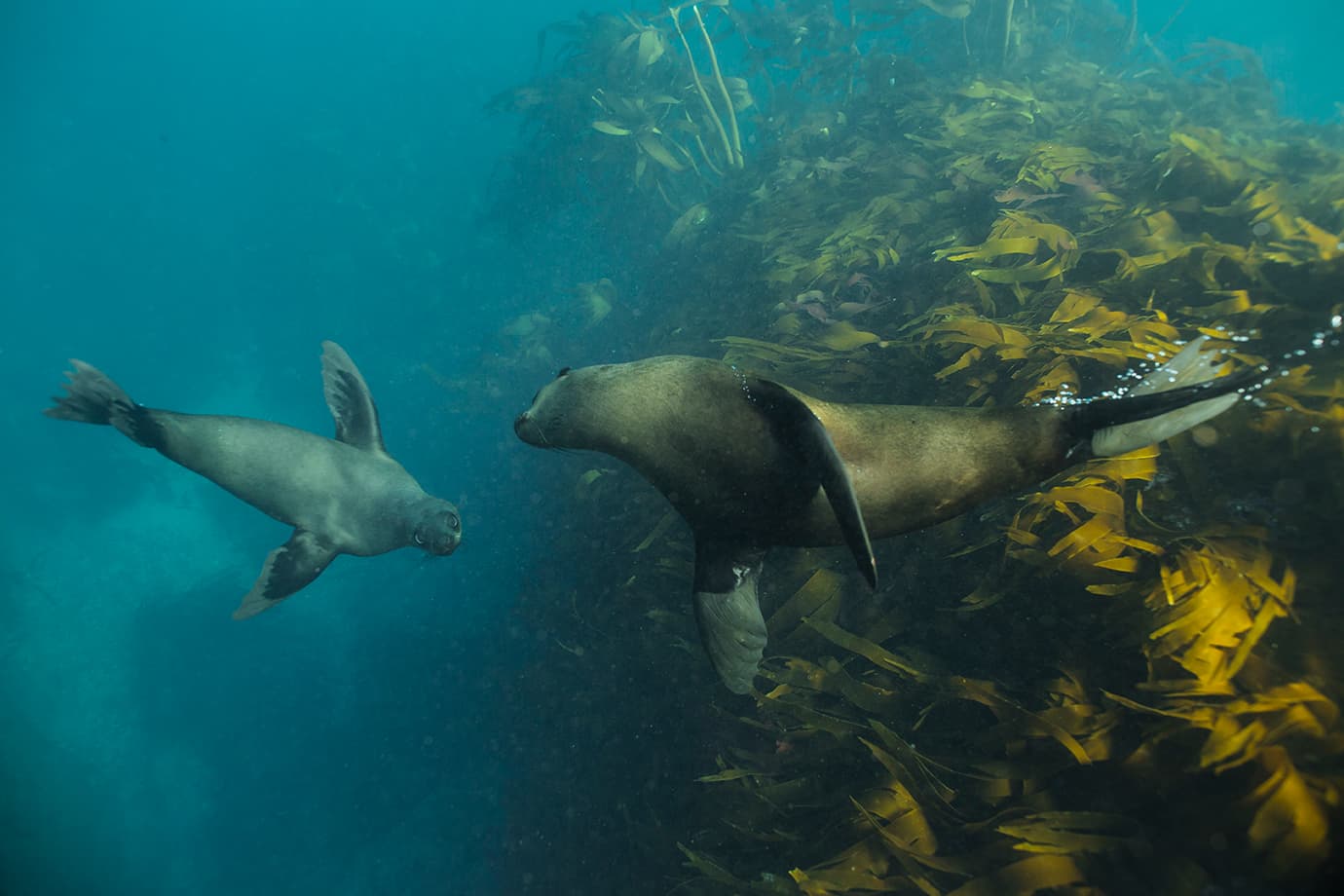
We hope our immersive stories, knowledge and love of this environment can play a part in rewarming the human heart to the natural world and motivate action that allows the living planet to thrive and regenerate itself. As we continue to explore the exhibition and multimedia space, we are also looking to partner strategically with communities, museums, science centres, universities and galleries worldwide.